Ant Food
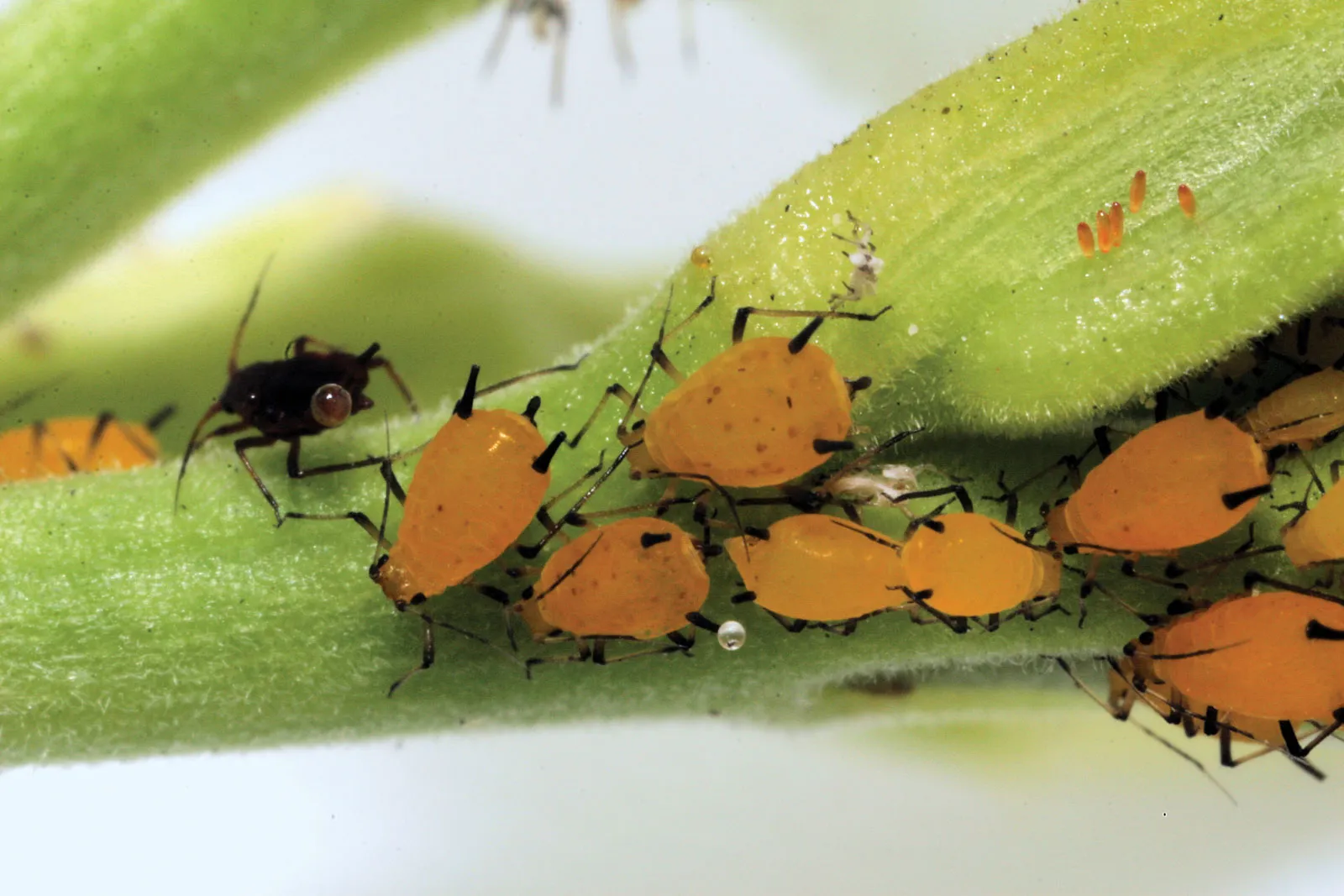
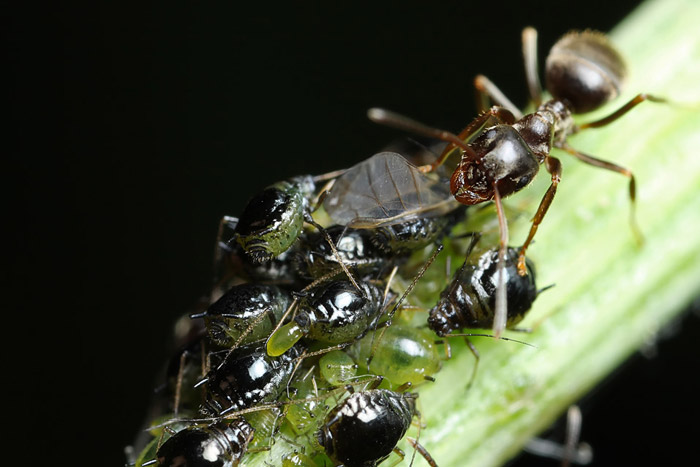
Ants are opportunistic omnivores, meaning they will consume almost any organic matter they can find, ranging from sweets and proteins to fats and dead insects. In nature, their diet is diverse, including plant nectar, seeds, fungus, and honeydew—a sugary substance secreted by aphids. Many ant species, especially those that invade homes, are highly attracted to carbohydrates for energy, such as sugar, syrup, and fruit, but they also require protein for colony growth.
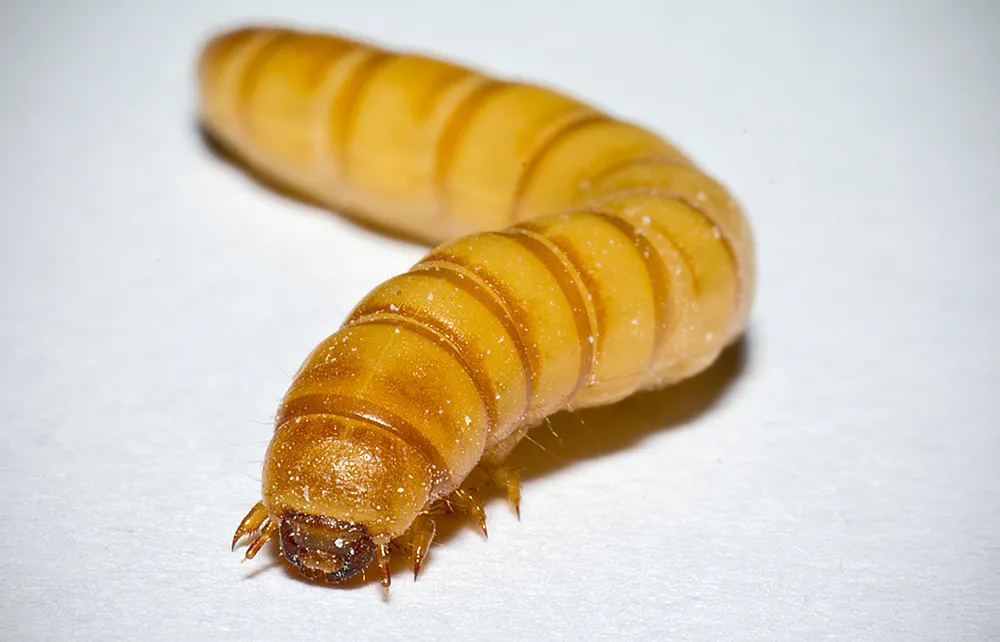
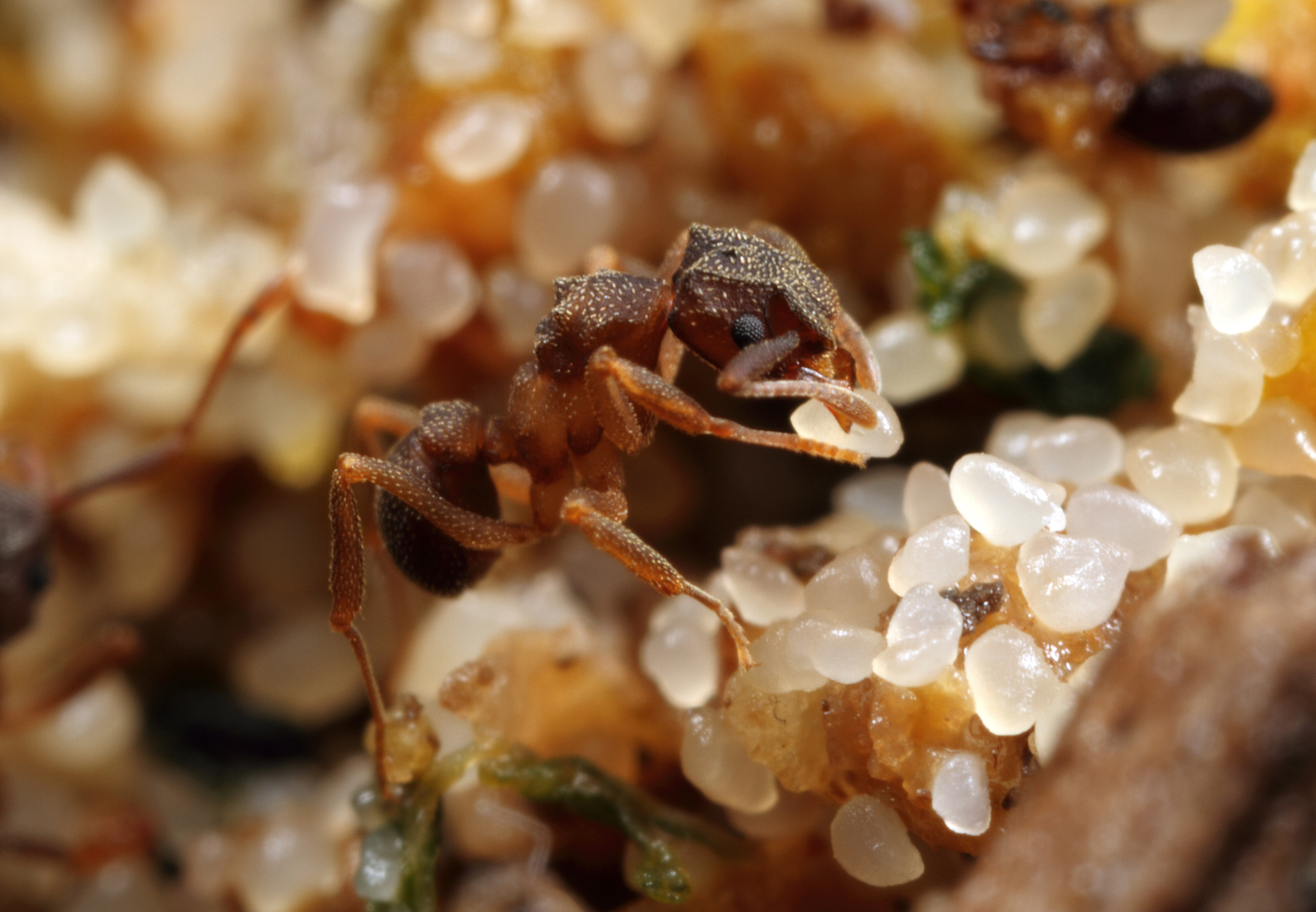
When searching for food, forager ants use their acute sense of smell to detect food sources and leave pheromone trails to guide their nestmates. A key, and often surprising, part of their diet is insects and small invertebrates, which provide necessary protein and fats. Some species, such as carpenter ants, do not eat wood but instead feed on other insects and sweet honeydew. Inside homes, they are attracted to a wide range of foods, including grease, pet food, meat, and crumbs.
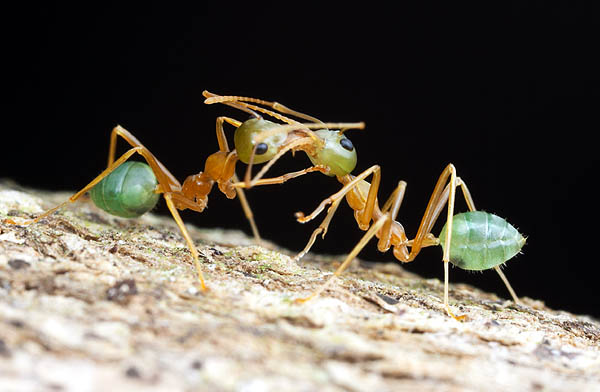
Ants have a fascinating way of sharing food through a process called "trophallaxis," where they pass liquid food from one ant to another, including to the larvae and queen. This allows them to transport, store, and distribute resources efficiently, with some specialized species even having "replete" ants that act as living food storage vessels.